Time Alignment Demystified for High-End Car Audio
One of the most powerful tools for proper imaging and soundstage.
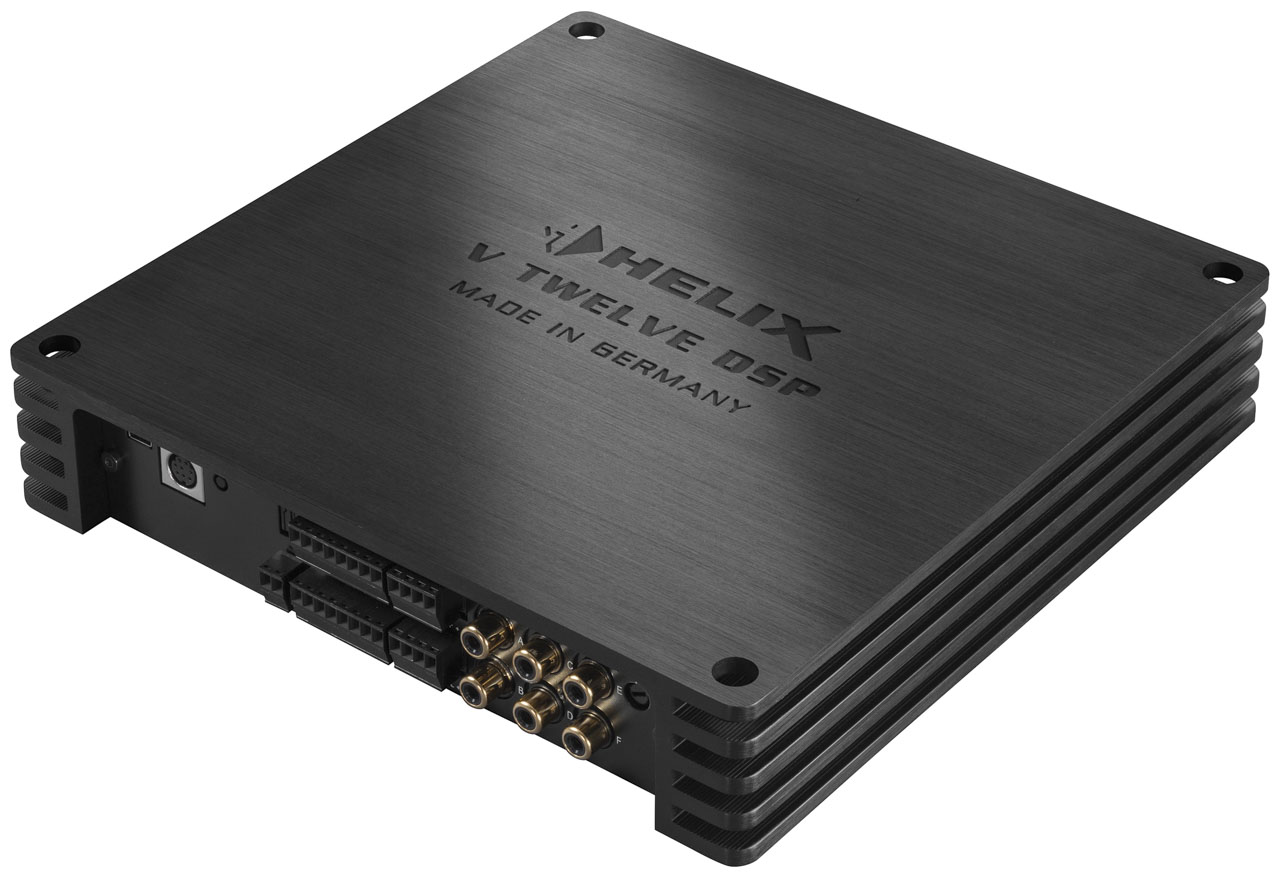
In a car, no two speakers are the same distance from the listener. The left door speaker is much closer than the right, the tweeters are usually higher and farther forward, and the subwoofer is often behind you. Without correction, the sound from closer speakers arrives first, which collapses the soundstage toward the near side and destroys imaging.
How Time Alignment Works
Time alignment (or time delay) in a DSP delays the signal to closer speakers so that the sound from every driver arrives at the primary listening position at the same moment. The result is that the brain perceives the speakers as a coherent system rather than individual sources at different distances.
When done correctly, instruments lock into place, the center image becomes solid, and the soundstage can appear to extend beyond the windshield or doors. It is one of the most dramatic improvements available once the basic system is installed and equalized.
Measurement vs. Listening
The starting point is usually physical distance measurement from each speaker to the listening position (typically the driver's head). Most DSPs accept these distances and convert them to delays automatically. From there, fine tuning by ear is essential. Small adjustments of a few millimeters can make a noticeable difference in image focus and stage height.
It is also important to time-align the system to one primary listening position. Trying to optimize for both seats equally usually results in a compromise that works well for neither.
Common Mistakes
- Skipping time alignment entirely and relying only on level balancing.
- Using incorrect distances or forgetting to account for the actual acoustic center of the drivers.
- Applying massive delays that push the system outside the DSP's effective range or introduce other artifacts.
- Not re-checking after EQ changes, since large EQ adjustments can affect perceived timing.
Why It Matters in High-End Systems
High-end speakers and amplifiers can reproduce detail and dynamics accurately. Without proper time alignment, that capability is wasted because the fundamental timing relationship between drivers is wrong. Once the system is time-aligned, the benefits of good speakers, proper crossovers, and careful EQ become far more apparent.
It is not magic, and it does not fix a poorly installed or untreated system. But in a well-executed high-end installation, correct time alignment is what turns a collection of good components into a cohesive, high-resolution listening experience.