Power Matching: Amplifiers and Speakers Done Right
More watts are not automatically better.
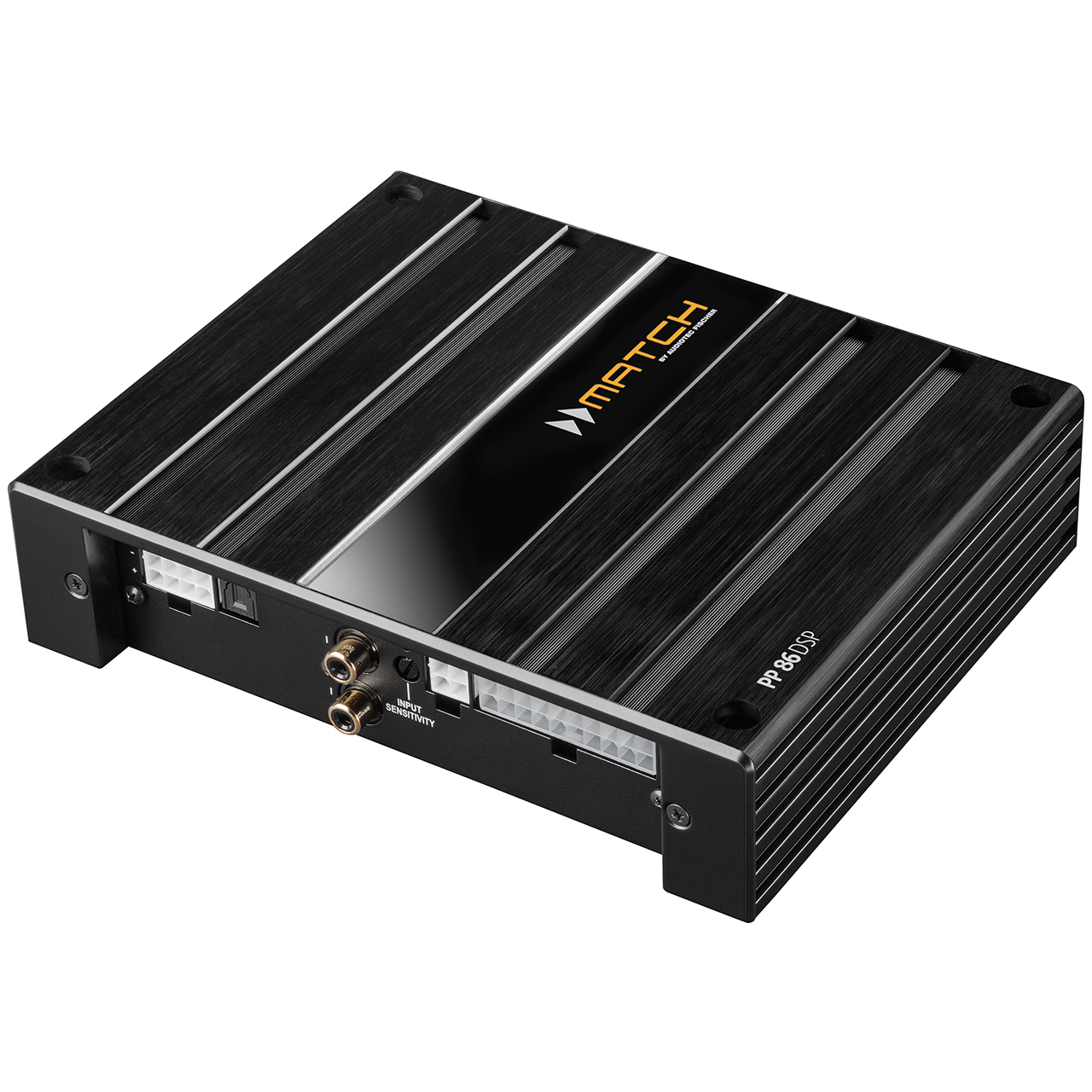
One of the most persistent misconceptions in car audio is that higher power ratings automatically produce better sound. In high-end systems, the goal is clean, controlled power that matches the speakers' thermal and mechanical capabilities. Overpowering or underpowering both create problems.
RMS Is What Matters
Ignore peak power numbers. Match amplifier RMS output to the continuous power handling of the speakers (or slightly below for headroom). A well-designed amplifier running within its comfortable range will sound cleaner and more dynamic than a higher-rated amplifier that is strained or poorly matched.
Also consider impedance. Wiring speakers to an impedance the amplifier is optimized for improves efficiency and control. Many high-end amplifiers are designed to deliver their best performance at specific impedances.
Thermal and Mechanical Limits
Speakers have two primary limits:
- Thermal — How much continuous power the voice coil can handle before overheating.
- Mechanical — How far the cone can travel before bottoming or distorting.
In most musical applications with proper crossovers and DSP, mechanical limits are reached before thermal ones. This is why proper high-pass filtering and gain structure matter as much as the raw power number.
Gain Structure and Headroom
Proper gain setting is critical. Set gains so the amplifier reaches clipping at the same time as the source or just after, with DSP attenuation used for level matching. This preserves dynamic range and prevents the amplifier from introducing distortion that the speakers then reproduce.
Having extra amplifier headroom is useful, but only if the rest of the system (electrical system, speakers, tuning) can support it. An amplifier that is far larger than the speakers can handle often leads to people turning the gains up too high and then clipping or damaging equipment.
The Practical Approach
Choose amplifiers whose clean RMS output is well-matched to the speakers, run them at impedances they like, set gains correctly, and use the DSP to control levels and crossovers. The result is a system that plays louder, cleaner, and more reliably than one built around inflated power numbers.