Navigating Factory System Integration in High-End Car Audio
Keeping the factory radio is often the right decision.
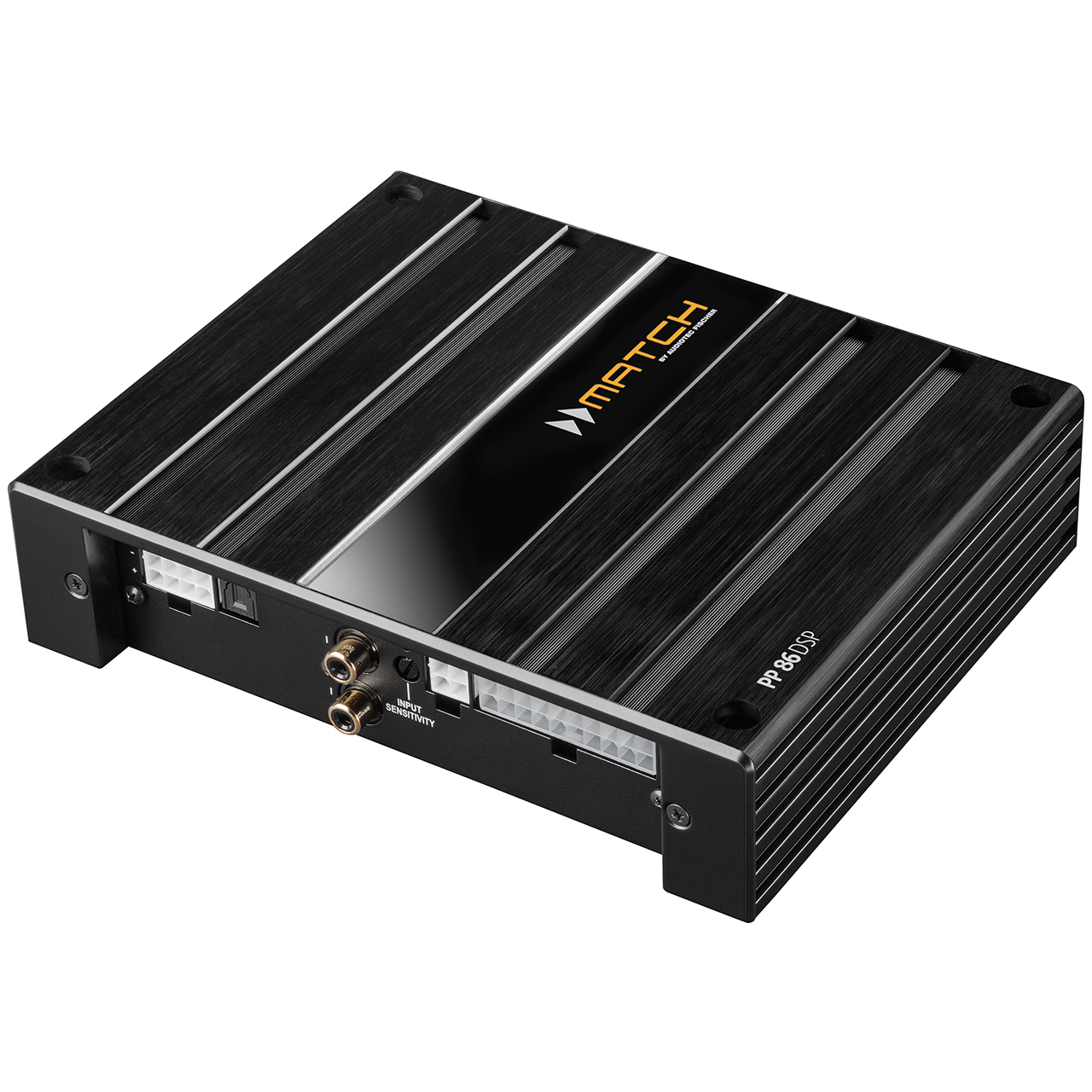
The days of simply swapping the head unit are largely over. Modern vehicles integrate the radio deeply with vehicle systems, climate controls, cameras, and driver assists. For most high-end installations, retaining the factory radio is the practical and preferred path. The challenge is extracting a clean signal and then building a proper system from there.
Understanding the Signal Path
Factory systems fall into a few broad categories:
- Basic non-amplified — Speaker-level outputs from the radio. Relatively straightforward to tap.
- Amplified systems — The radio sends a low-level or digital signal to a factory amplifier that then drives the speakers. You must intercept the signal correctly.
- Active / multi-channel systems — Different frequency bands sent to different drivers. Summing is often required.
- Premium branded systems — Often the most processed and the hardest to integrate cleanly without the right tools.
The Right Tools
High-quality vehicle-specific T-harnesses, line output converters with proper summing, and DSPs that accept high-level inputs are the standard toolkit. The goal is to capture the full-range signal (or sum partial-range signals) with as little additional noise or distortion as possible, then process it in your DSP.
Simply splicing into speaker wires without understanding whether the signal is full-range, filtered, or already processed is a common source of poor results. Measurement and listening tests at the integration stage save a lot of frustration later.
Why This Approach Wins
Retaining the factory radio preserves factory features, resale value, and OEM aesthetics. With the right integration and a proper DSP, the resulting system can significantly outperform the factory audio while looking completely stock. This is the approach used in the majority of high-end vehicle-specific systems I see successfully executed.
The key is not fighting the vehicle. Work with the signal that exists, clean it up, and then apply the processing and amplification that the factory system never had.