Why DSP Is Essential in Modern High-End Car Audio
The single biggest difference between a good system and a great one.
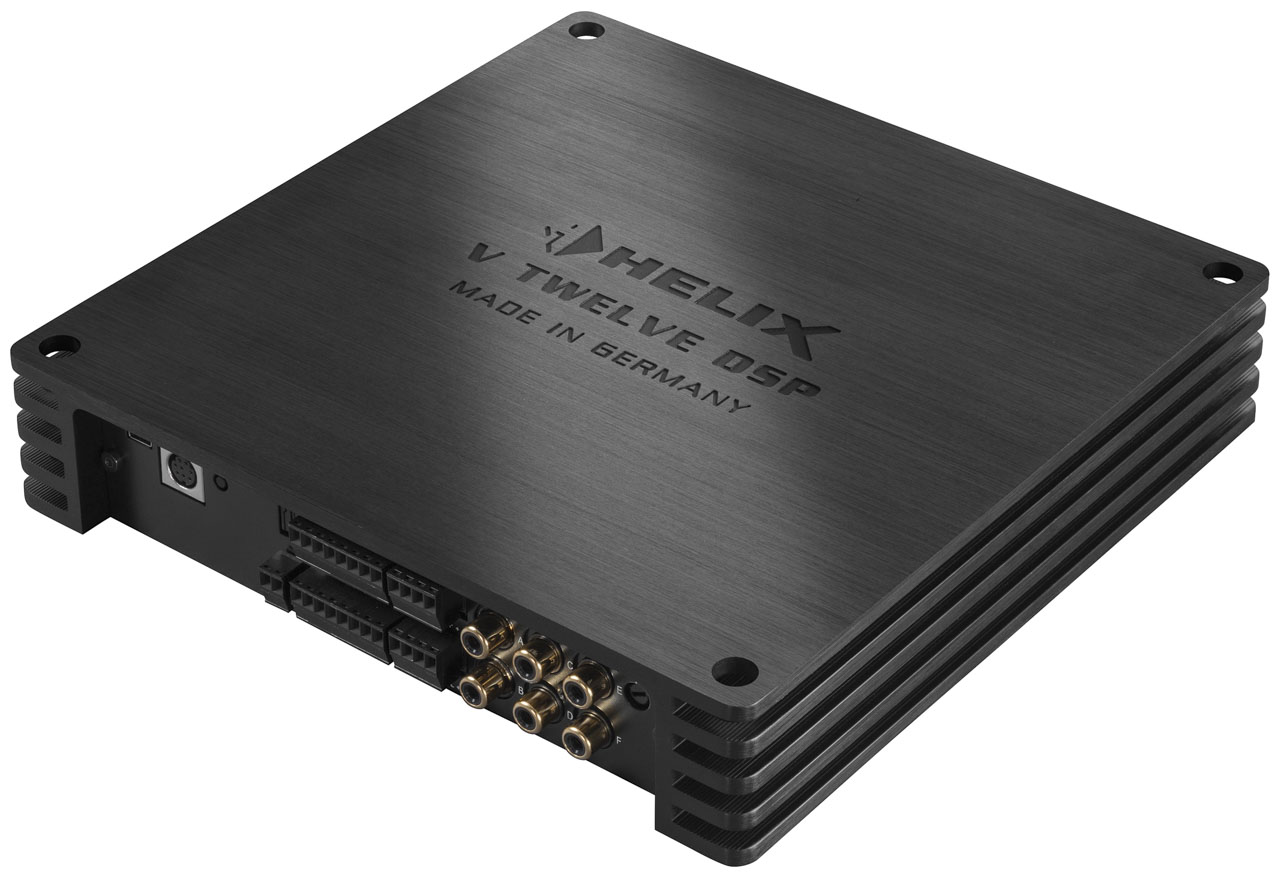
In high-end car audio today, a digital signal processor is not a luxury add-on. It is foundational. The acoustic environment of a vehicle is one of the worst places on earth to reproduce music accurately. Speakers are off-axis, reflections are severe, the listening position is never centered, and factory systems often apply their own aggressive processing before the signal ever reaches your equipment.
A properly implemented DSP gives you the tools to correct these problems rather than simply amplifying them.
What a DSP Actually Does
At its core, a high-end DSP performs several critical functions that passive systems cannot:
- Time alignment — Delaying individual drivers so the sound from every speaker arrives at the listening position at the same moment. This is essential for proper imaging and a coherent soundstage.
- Active crossovers — Precise, steep filters that let each driver only play the frequencies it handles well. No passive crossover losses, and full control over slopes and points.
- Equalization — Correcting for cabin modes, door resonance, and speaker response. High-end units offer parametric EQ with enough bands and resolution to make real corrections without destroying the signal.
- Level matching and routing — Independent gain on every channel and the ability to sum or route signals from factory sources.
Why Factory Processing Makes It Worse
Most modern vehicles apply significant processing in the head unit or factory amplifier. This can include fixed EQ curves, all-pass filters, dynamic volume-dependent EQ, and sometimes even time delays that were tuned for the original speakers. When you simply tap that signal and amplify it, you are amplifying the factory's compromises.
A good integration DSP or processor allows you to flatten that incoming signal as much as possible, then rebuild the system the way it should be. This is why the best high-end installations almost always involve a processor that can accept high-level inputs, sum channels if necessary, and then output a clean, fully controllable signal to aftermarket amplifiers.
Common Mistakes
The most frequent issues I see are under-utilizing the DSP or treating it as a simple equalizer. Proper tuning requires measurement (RTA or better), understanding of the vehicle, and iterative listening. Simply loading a preset or applying broad EQ boosts rarely delivers the results the hardware is capable of.
Another mistake is skipping the DSP entirely because "the speakers are high-end." Even the best drivers cannot overcome the fundamental acoustic problems of a car without electronic correction.
The Bottom Line
In a high-end system, the DSP is the brain. Speakers and amplifiers provide the potential; the processor and the person tuning it determine whether that potential is realized. If the goal is accurate imaging, tonal balance, and the ability to play real music at real volumes without the vehicle fighting you, a high-quality DSP is not optional.